
Recommended
Books and kit worth buying
31 things we would actually put in front of a learner, each tied to a specific topic in one of the three apps. Nothing here is on the list because it pays a commission.
Affiliate disclosure: As an Amazon Associate, Med Revision earns from qualifying purchases. Some links on this page are affiliate links — if you buy through them, we may earn a small commission at no extra cost to you. A commission does not buy a place on this list: every title here is one we would point a learner at anyway.
Pre-registration
For Dental Nurse
NEBDN National Diploma in Dental Nursing (Level 3)
Core Diploma texts
The books the whole qualification is taught from — including the one our own explanations cite.
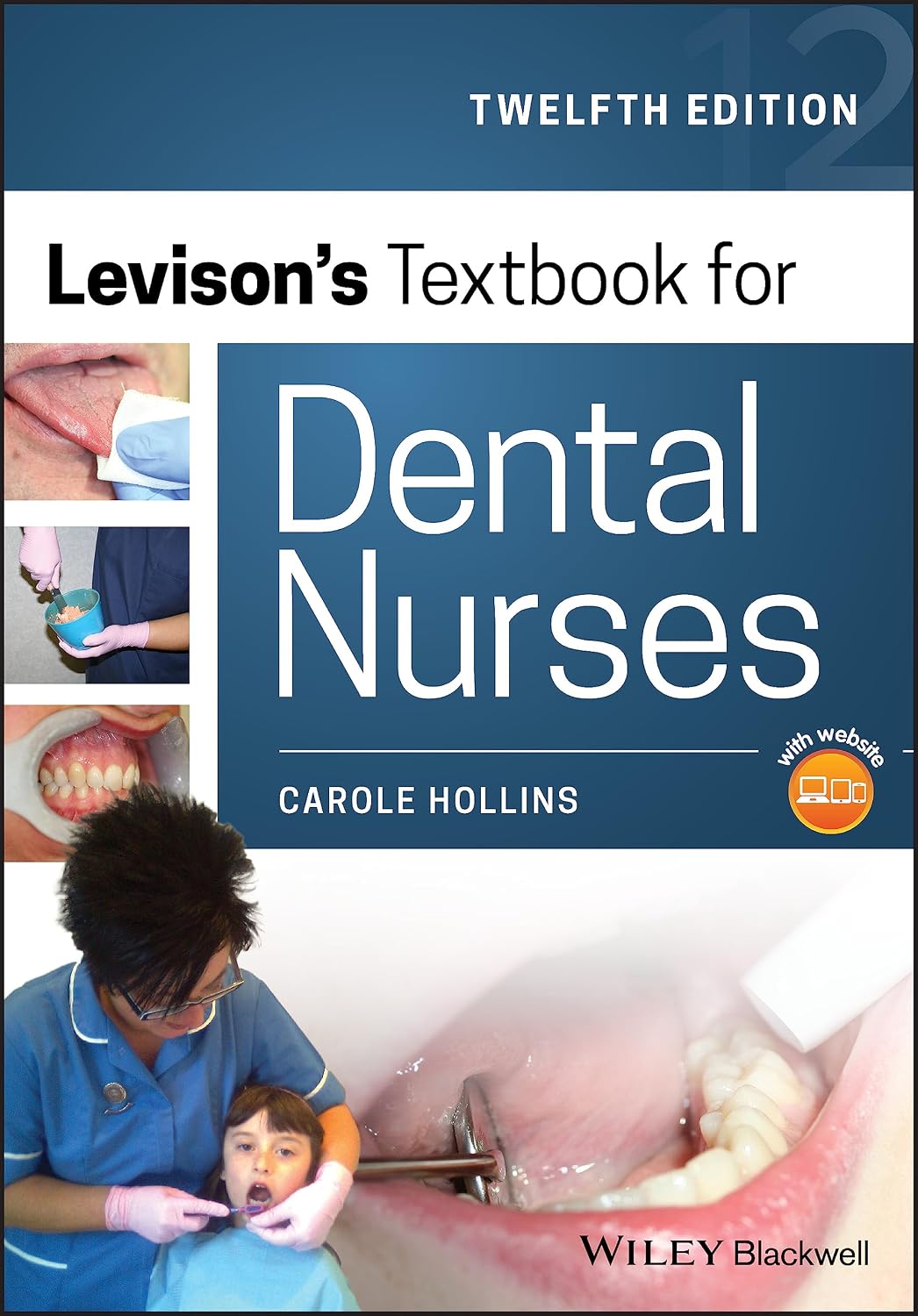
Levison's Textbook for Dental Nurses, 12th Edition
Carole Hollins' standard textbook for UK dental nurses, covering the whole Diploma from professional practice through to medical emergencies. Wiley Blackwell, 12th edition.
Why we recommend it: This is the book our question bank cites most often — read an explanation on any unit and you will usually see 'Levison's 12th ed' at the end of it. If you buy one book for the Diploma, buy this and check our study guides against it.
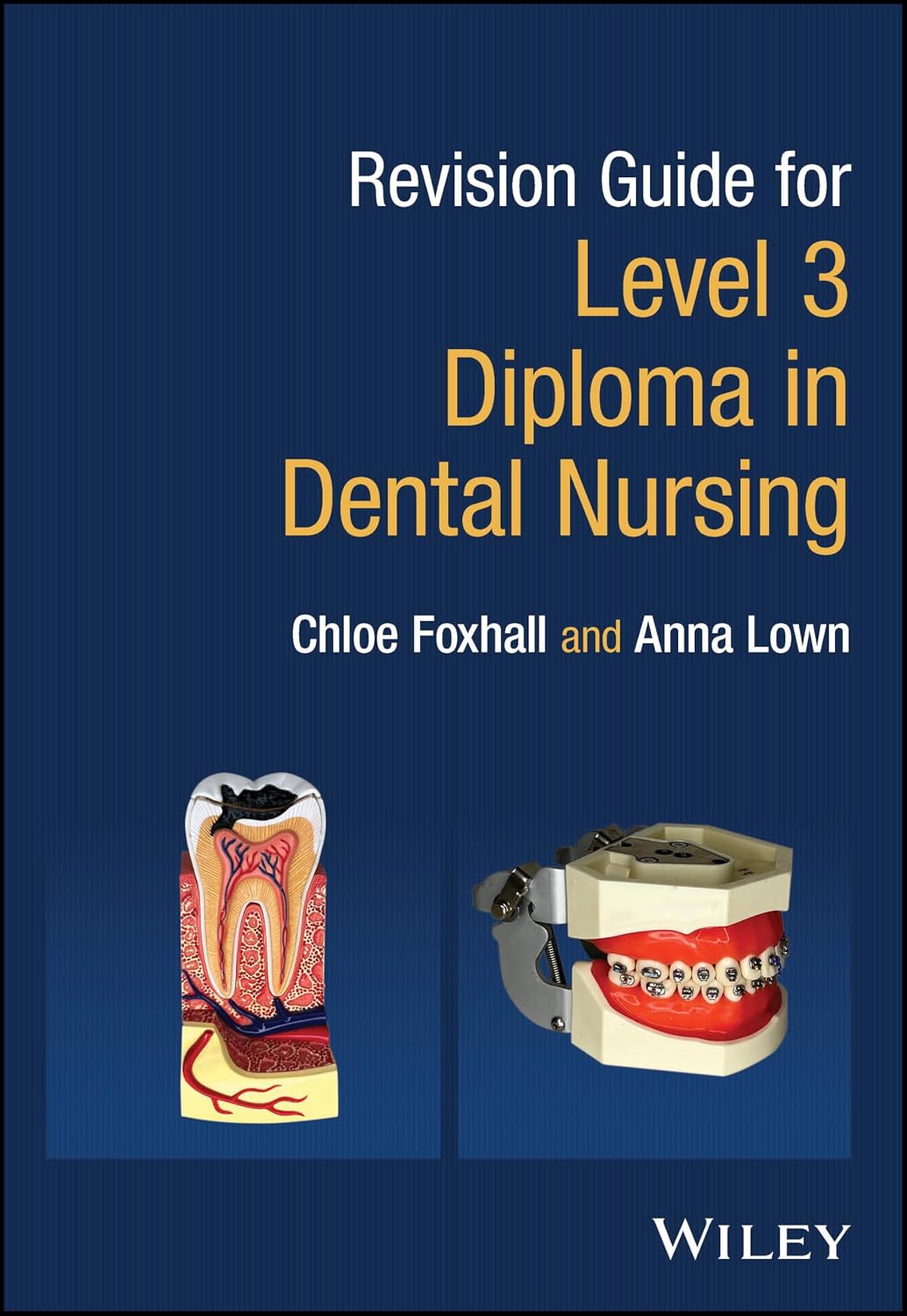
Revision Guide for Level 3 Diploma in Dental Nursing
A condensed revision companion covering the Level 3 Diploma syllabus, aimed at candidates preparing for the written assessment.
Why we recommend it: Pairs naturally with our ten unit study guides: read the guide for the unit you are weakest on, then use this to fill in the detail before going back to the quiz.
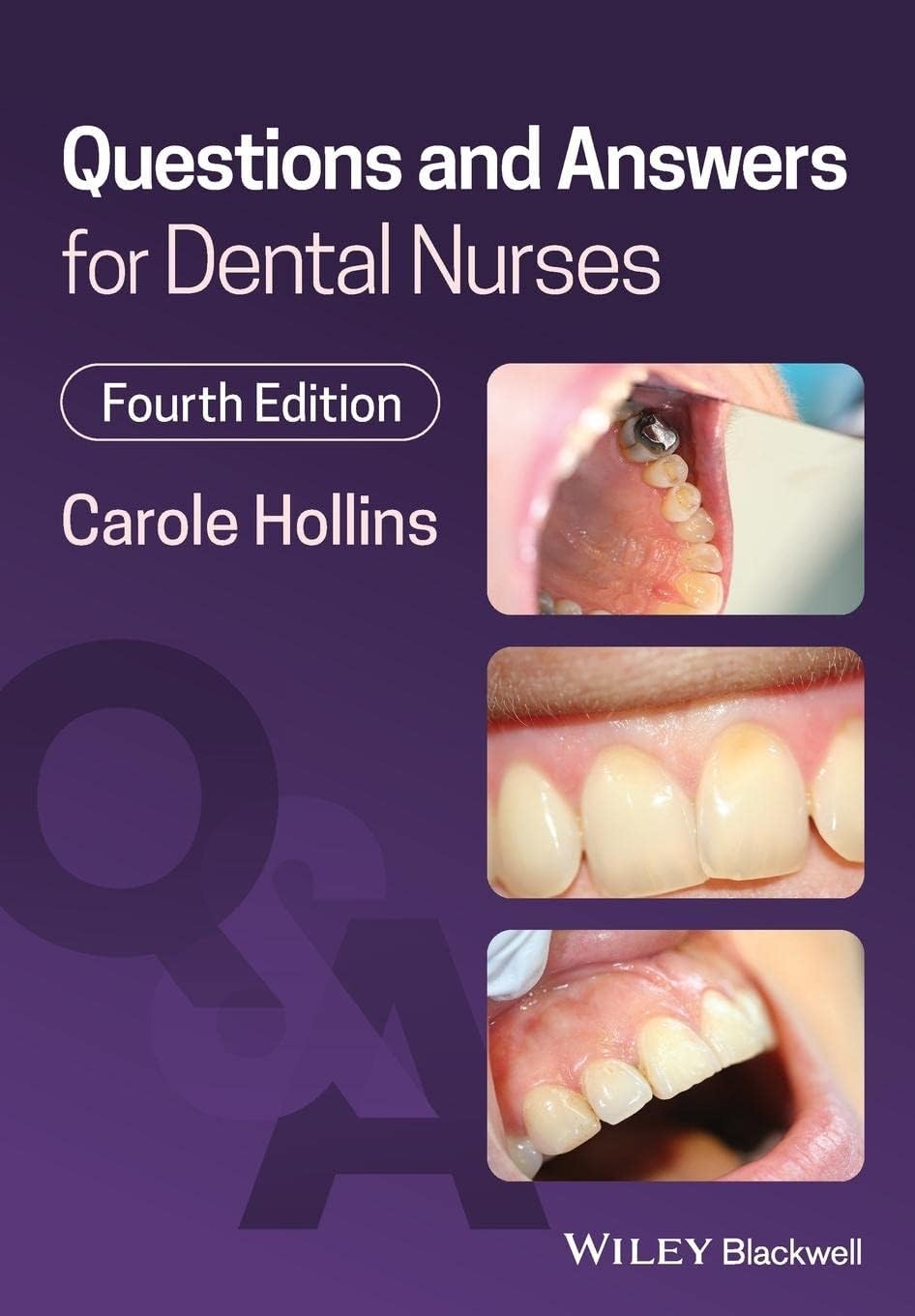
Questions and Answers for Dental Nurses
A bank of practice questions with worked answers, structured around the topics a trainee dental nurse is assessed on.
Why we recommend it: Retrieval practice is the thing that actually moves your score, and more of it is better. When you have worked through our free questions, this is where to get more of the same kind of practice on paper.
The Basic Guide series
Wiley's short single-subject guides. Each one maps almost exactly onto a Diploma unit or onto a post-registration certificate — pick the one covering your weakest area.
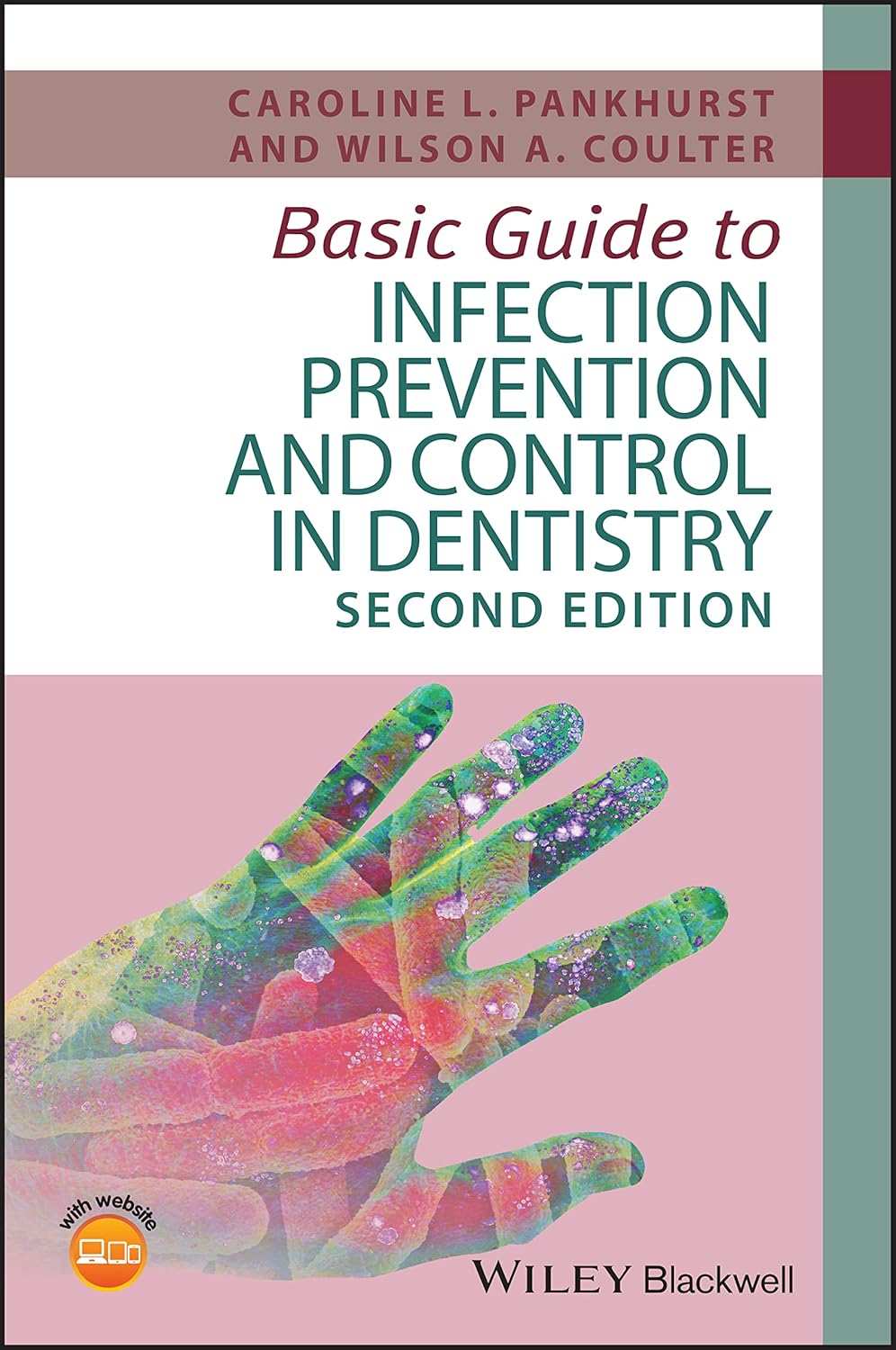
Basic Guide to Infection Prevention and Control in Dentistry
A focused guide to decontamination, sterilisation and cross-infection control in a dental practice, written for the whole dental team.
Why we recommend it: Infection prevention and decontamination is one of the largest sub-topics in Unit 1, Professional Practice — and the distinction between cleaning, disinfection and sterilisation is exactly what the exam tests. Read this alongside our post on the one-way decontamination flow.
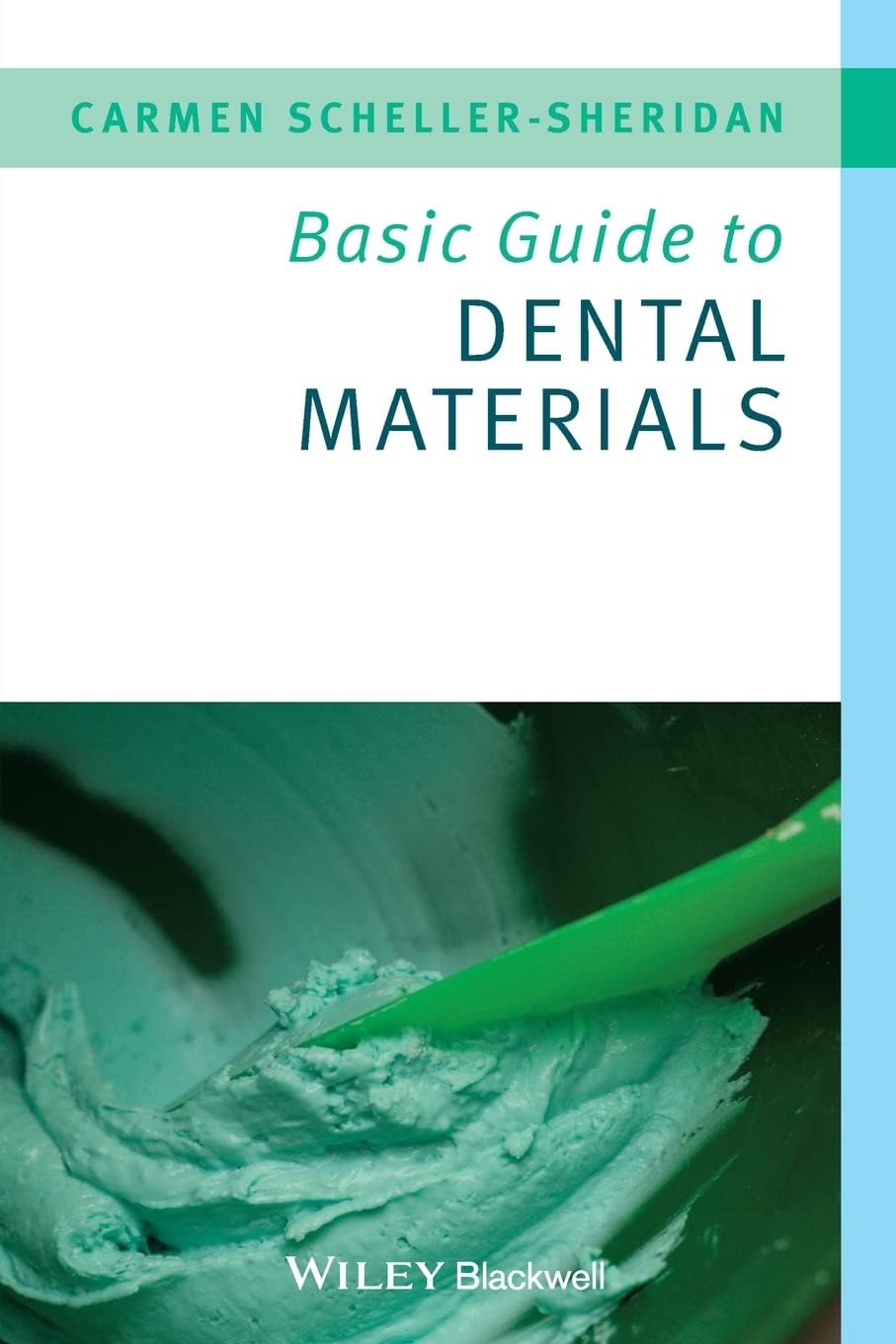
Basic Guide to Dental Materials
Covers the properties, handling and clinical use of the materials a dental nurse mixes, passes and stores.
Why we recommend it: Restorative materials and cavity linings make up a large slice of Unit 6, Treatment Planning, and the questions test the trade-offs between materials rather than their names. This is the book that makes those trade-offs stick.
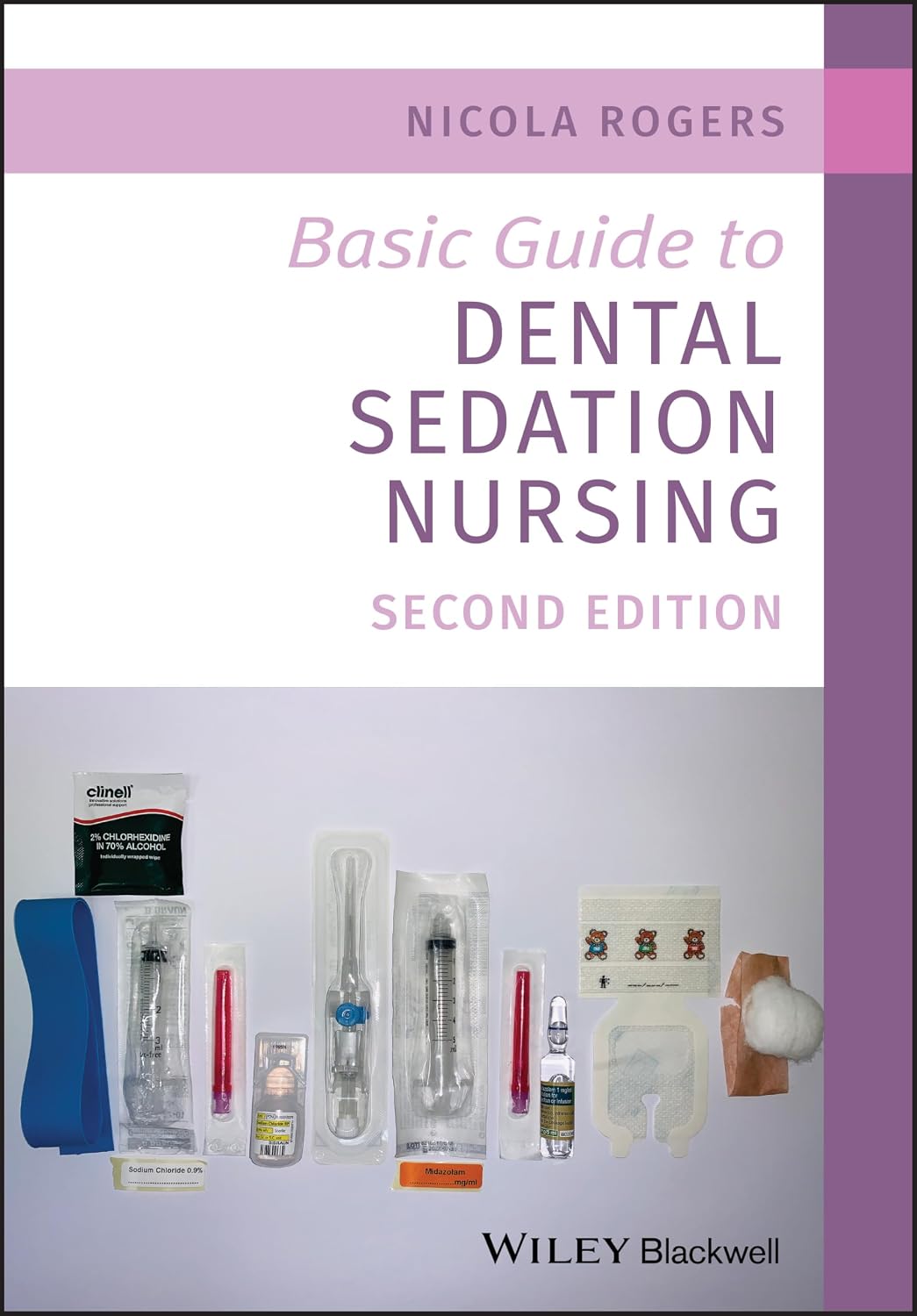
Basic Guide to Dental Sedation Nursing
A practical guide to conscious sedation in dentistry and the dental nurse's role before, during and after the appointment.
Why we recommend it: Anxiety control, sedation and general anaesthesia sit inside Unit 6, Treatment Planning, and they carry their own consent, monitoring and escort implications. Useful too if you are thinking about the post-registration sedation qualification later.
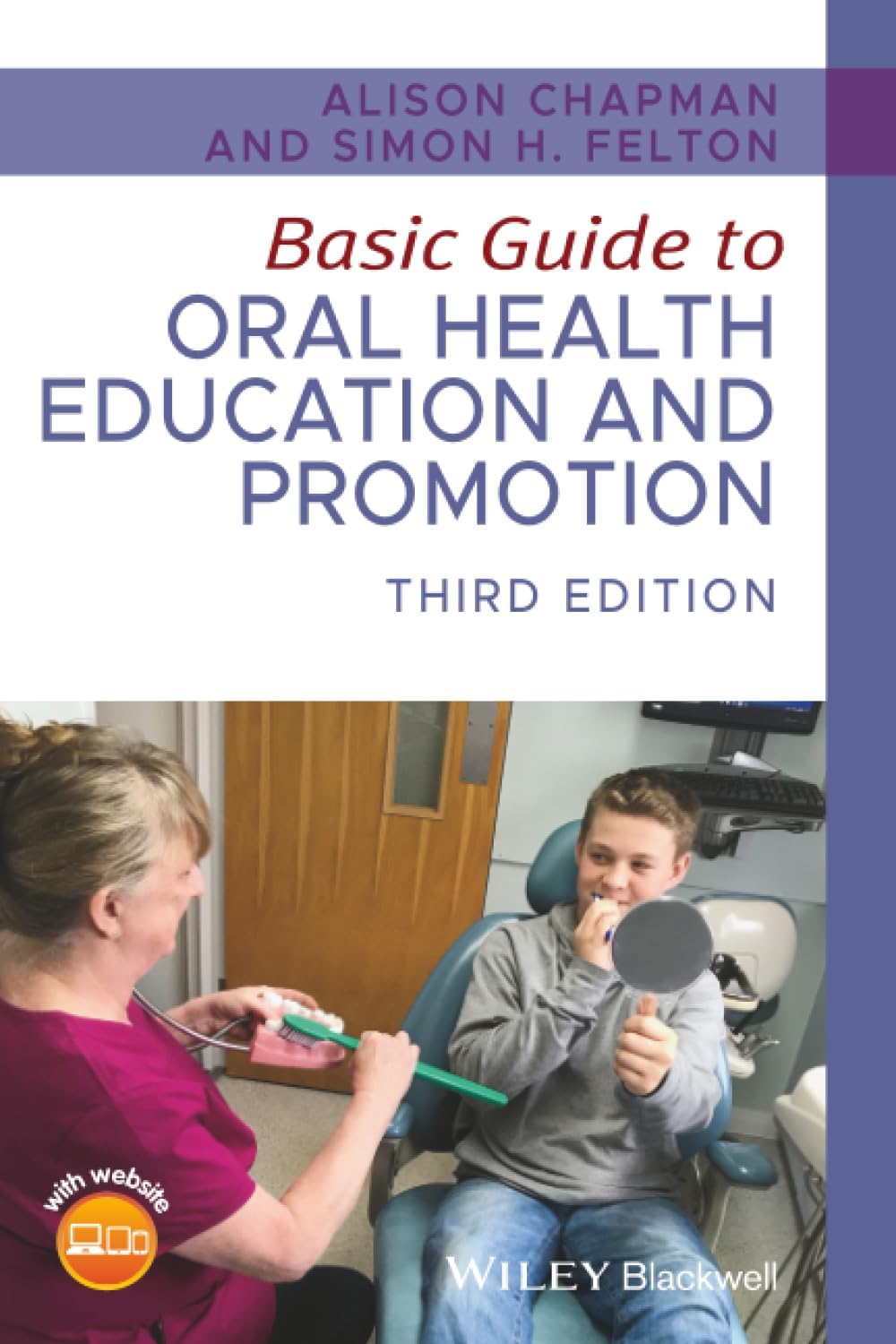
Basic Guide to Oral Health Education and Promotion, 3rd Edition
Covers plaque and saliva, fluoride, diet and the techniques used to deliver oral health advice that patients actually act on.
Why we recommend it: This maps almost exactly onto Unit 7, Promoting Oral Health — right down to the sub-topics our question bank uses. It is also the natural next step if you go on to take the oral health education qualification.
Anatomy and placement kit
For the parts of the Diploma you learn better with something in your hands than on a page.
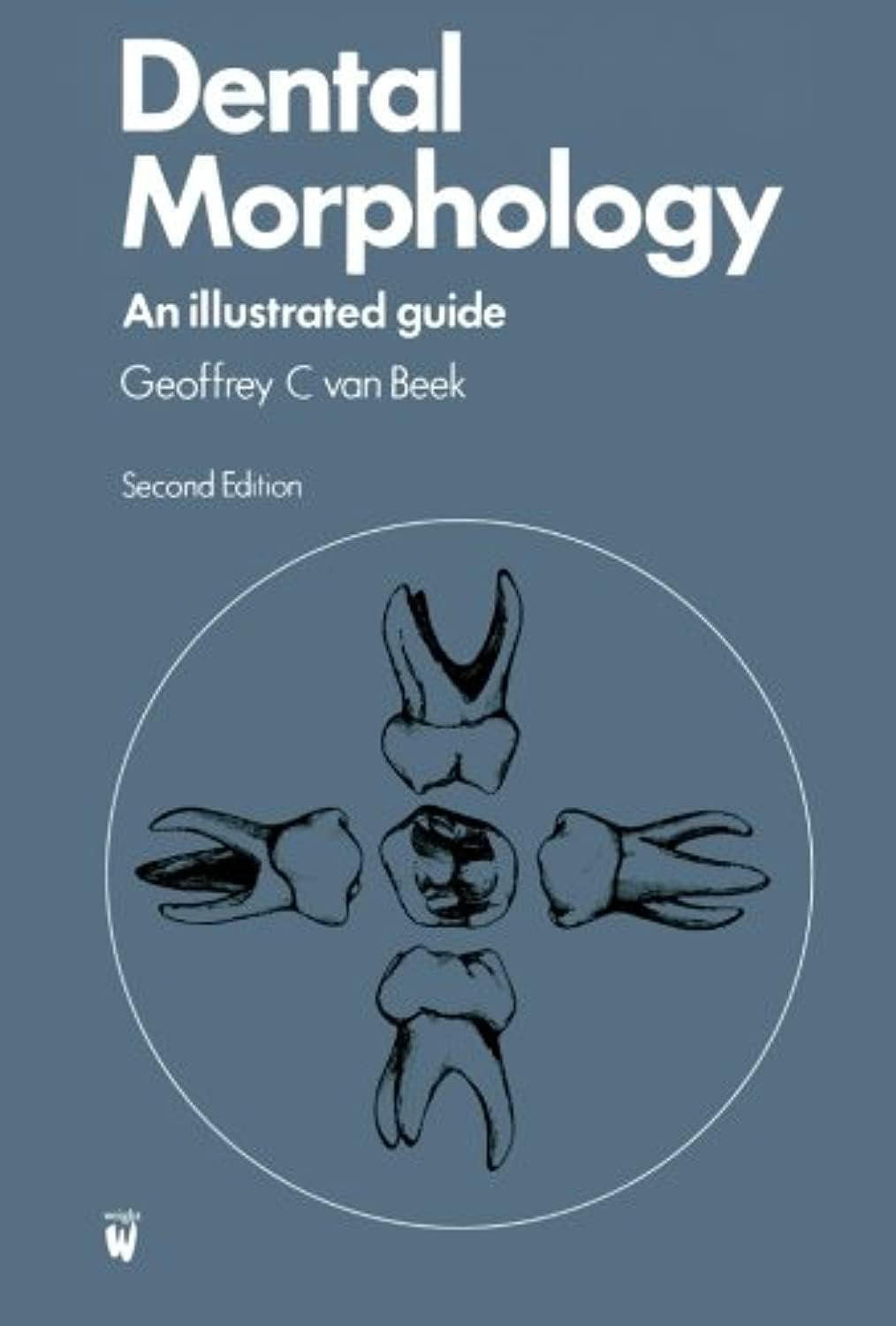
Dental Morphology: An Illustrated Guide
An illustrated reference on the form of the individual teeth, their surfaces, and how the dentitions differ.
Why we recommend it: Tooth morphology, surfaces, notation and eruption is one of the biggest sub-topics in Unit 5, Assessment and Diagnosis, and it is a visual subject that pages of prose do badly. The illustrations are the point.
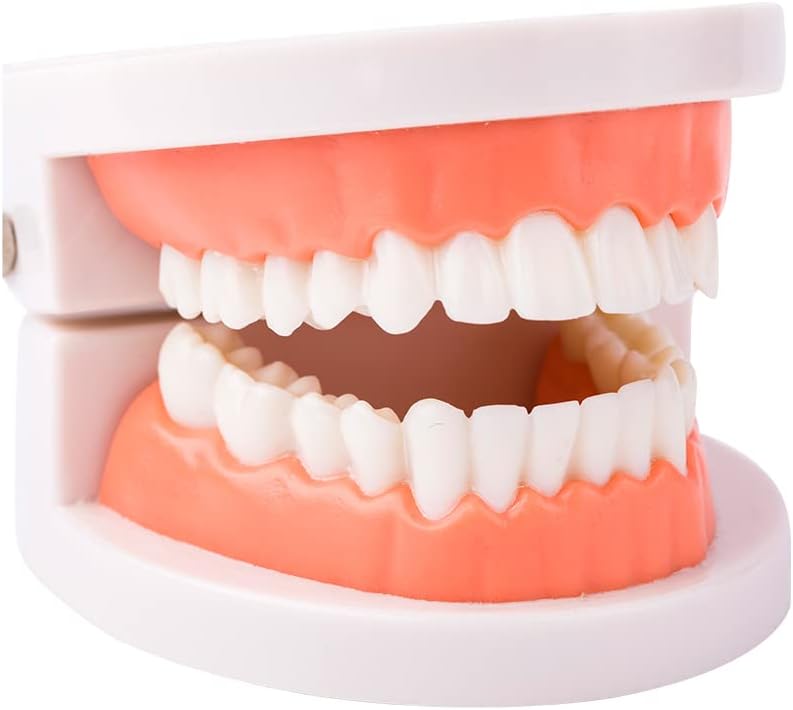
Standard Dental Study Model (adult typodont)
A hinged adult teeth model with a full upper and lower arch, of the kind used for demonstration and teaching.
Why we recommend it: Charting and notation is far easier to learn on an arch you can turn round in your hand than from a diagram. Point at a tooth, name it in the notation, check yourself — then take the Unit 5 quiz and see the difference.
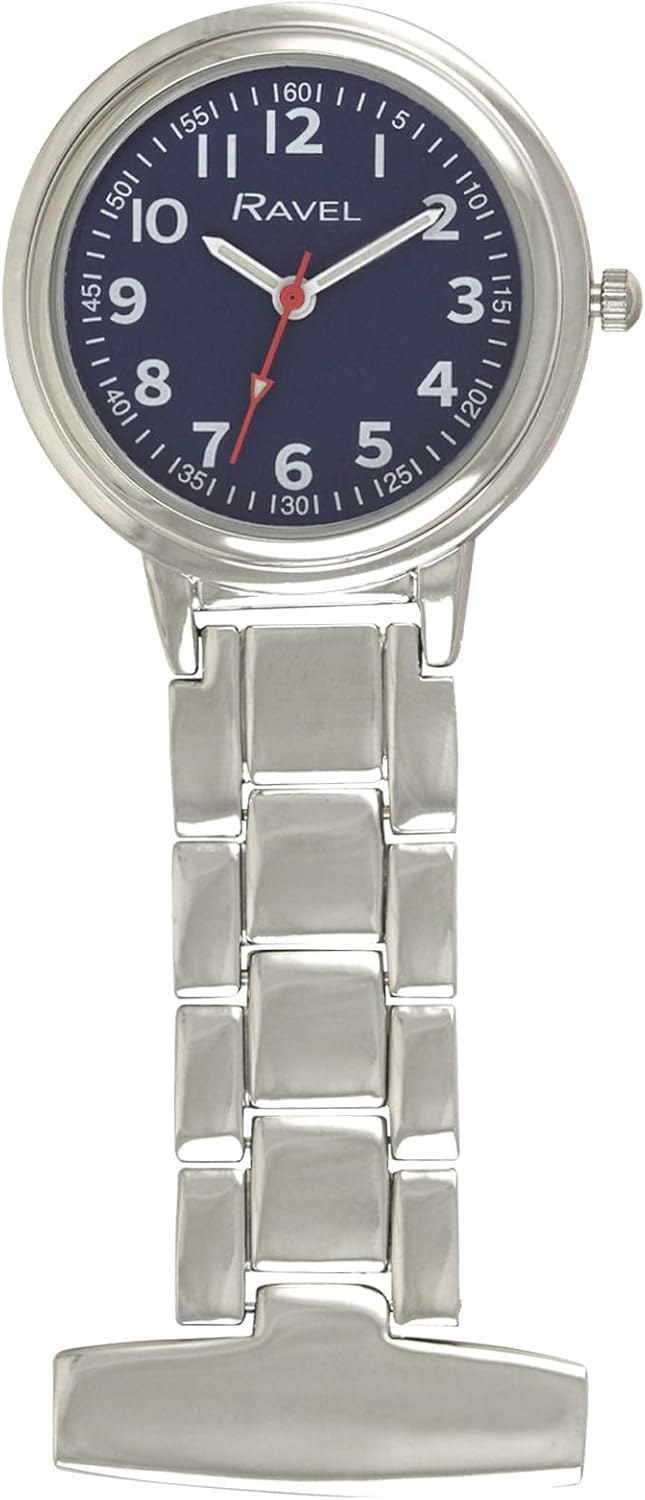
Ravel Classic Easy Read Nurses Fob Watch
A traditional pin-on nurses fob watch with a clear analogue dial and a sweeping second hand.
Why we recommend it: Bare below the elbows is an infection-control rule, not a dress code — which is why a fob watch exists at all. It is also the practical way to time a pulse or a two-minute brushing demonstration. Straight out of Unit 1, Professional Practice.
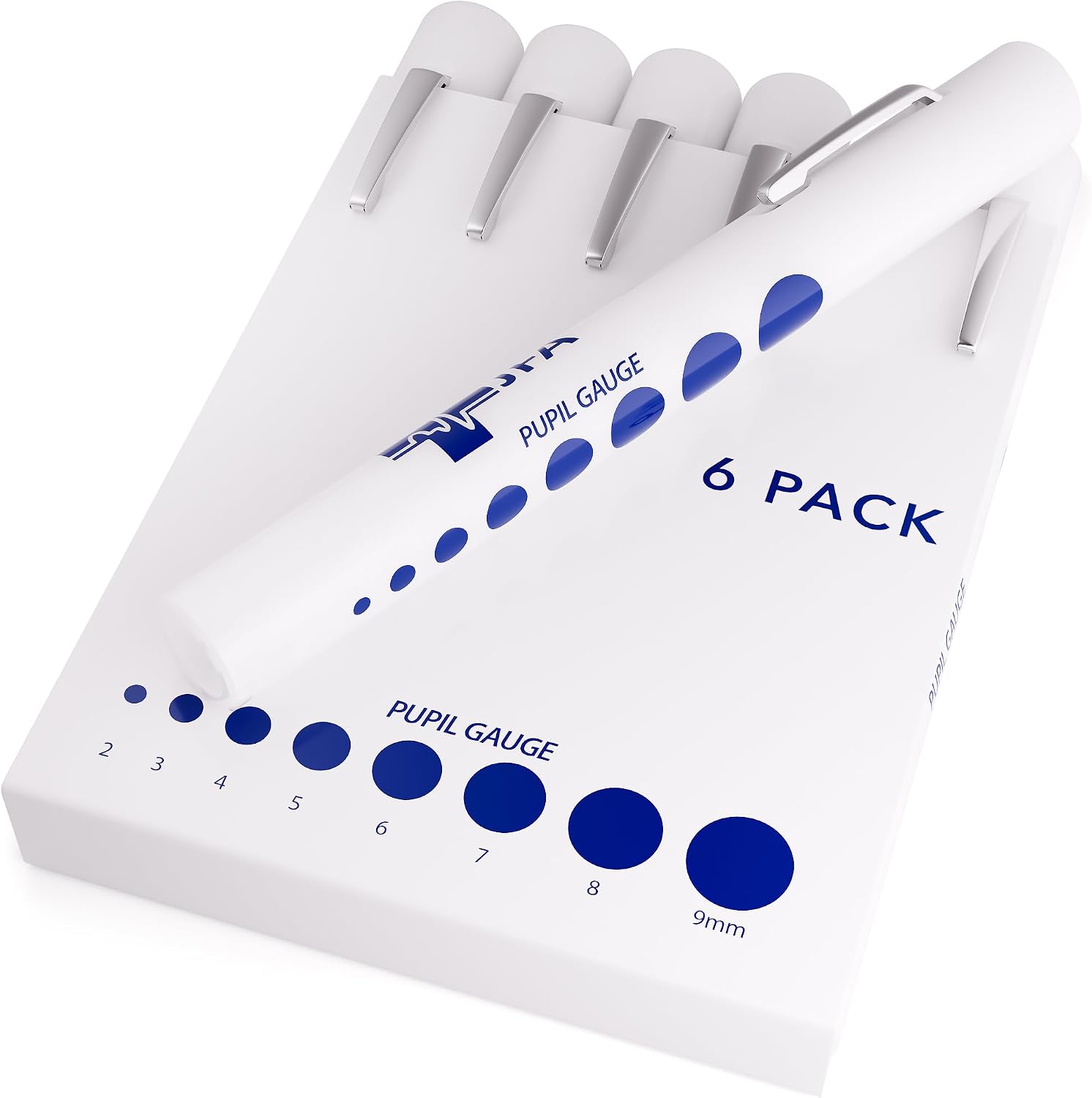
JFA Medical Pen Torch with Pupil Gauge (6 pack)
Disposable clinical pen torches with a printed pupil gauge along the barrel, supplied in a pack of six.
Why we recommend it: Assessment of the collapsed patient comes up in Unit 10, Risks and Medical Emergencies, and the pupil gauge on the barrel is there for exactly that. Cheap enough that losing one in a scrubs pocket does not matter.
Post-registration
For Post-Reg Mastery
NEBDN post-registration certificates in dental nursing
The Basic Guide series
Wiley's short single-subject guides. Each one maps almost exactly onto a Diploma unit or onto a post-registration certificate — pick the one covering your weakest area.
Basic Guide to Dental Sedation Nursing
A practical guide to conscious sedation in dentistry and the dental nurse's role before, during and after the appointment.
Why we recommend it: Anxiety control, sedation and general anaesthesia sit inside Unit 6, Treatment Planning, and they carry their own consent, monitoring and escort implications. Useful too if you are thinking about the post-registration sedation qualification later.
Basic Guide to Oral Health Education and Promotion, 3rd Edition
Covers plaque and saliva, fluoride, diet and the techniques used to deliver oral health advice that patients actually act on.
Why we recommend it: This maps almost exactly onto Unit 7, Promoting Oral Health — right down to the sub-topics our question bank uses. It is also the natural next step if you go on to take the oral health education qualification.
Dental Radiography texts
The two Whaites books the radiography certificate is actually taught from — one written for DCPs, one for the whole subject.
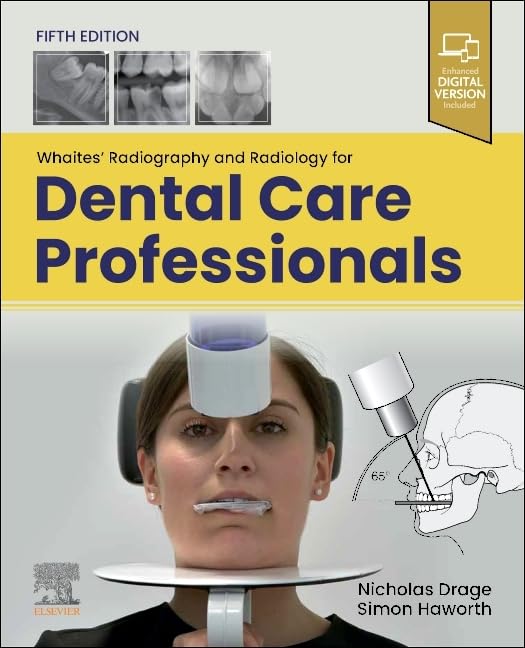
Whaites' Radiography and Radiology for Dental Care Professionals
Eric Whaites and Nicholas Drage, written specifically for dental care professionals rather than dentists. Elsevier.
Why we recommend it: This is the book pitched at exactly the level the certificate assesses you at. Read it alongside our IR(ME)R and Faults and Quality Assurance guides — the regulation and the two-point image quality scale are where most of the marks sit, and this covers both properly.
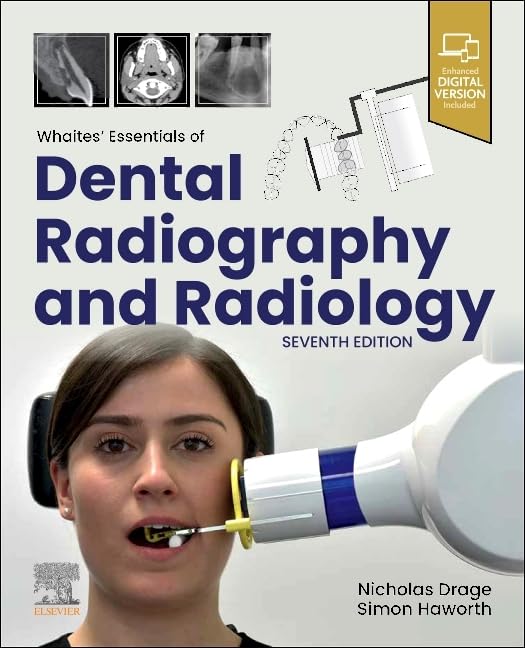
Whaites' Essentials of Dental Radiography and Radiology
The fuller Whaites text, covering radiation physics, technique, radiographic anatomy and interpretation across the whole subject. Elsevier.
Why we recommend it: Buy this second, not first — it goes well past what the certificate needs. Worth it if radiographic anatomy is the topic catching you out, because naming landmarks from an appearance is easier when you have seen a lot of them.
Orthodontic Dental Nursing
For the certificate whose biggest topic is appliance components and what each one does.
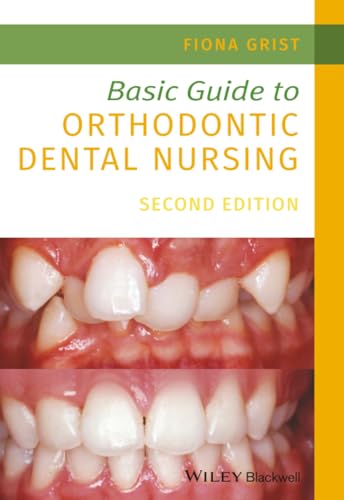
Basic Guide to Orthodontic Dental Nursing
Fiona Grist's guide in Wiley's Basic Guide series, covering orthodontic assessment, appliances, materials and the nurse's chairside role.
Why we recommend it: The Basic Guide series maps onto these certificates almost chapter for chapter. This one lines up with our Removable and Fixed Appliances guide, which is the largest topic in the certificate by a clear margin.
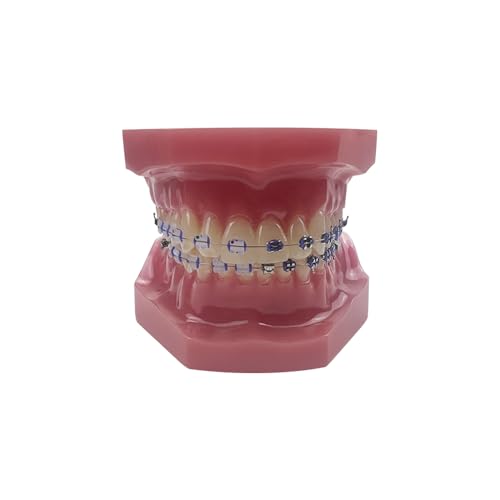
Orthodontic demonstration model with metal brackets
A typodont teaching model with fixed appliance brackets and archwire fitted, for demonstrating and handling.
Why we recommend it: Appliance components are the one thing on this certificate that is genuinely easier to learn with something in your hand. Naming a part from a written description is the exam skill — having handled the real arrangement is what makes that description make sense.
Special Care Dental Nursing
The most law-heavy of the six certificates — where a question is usually asking who may decide, not what the treatment is.
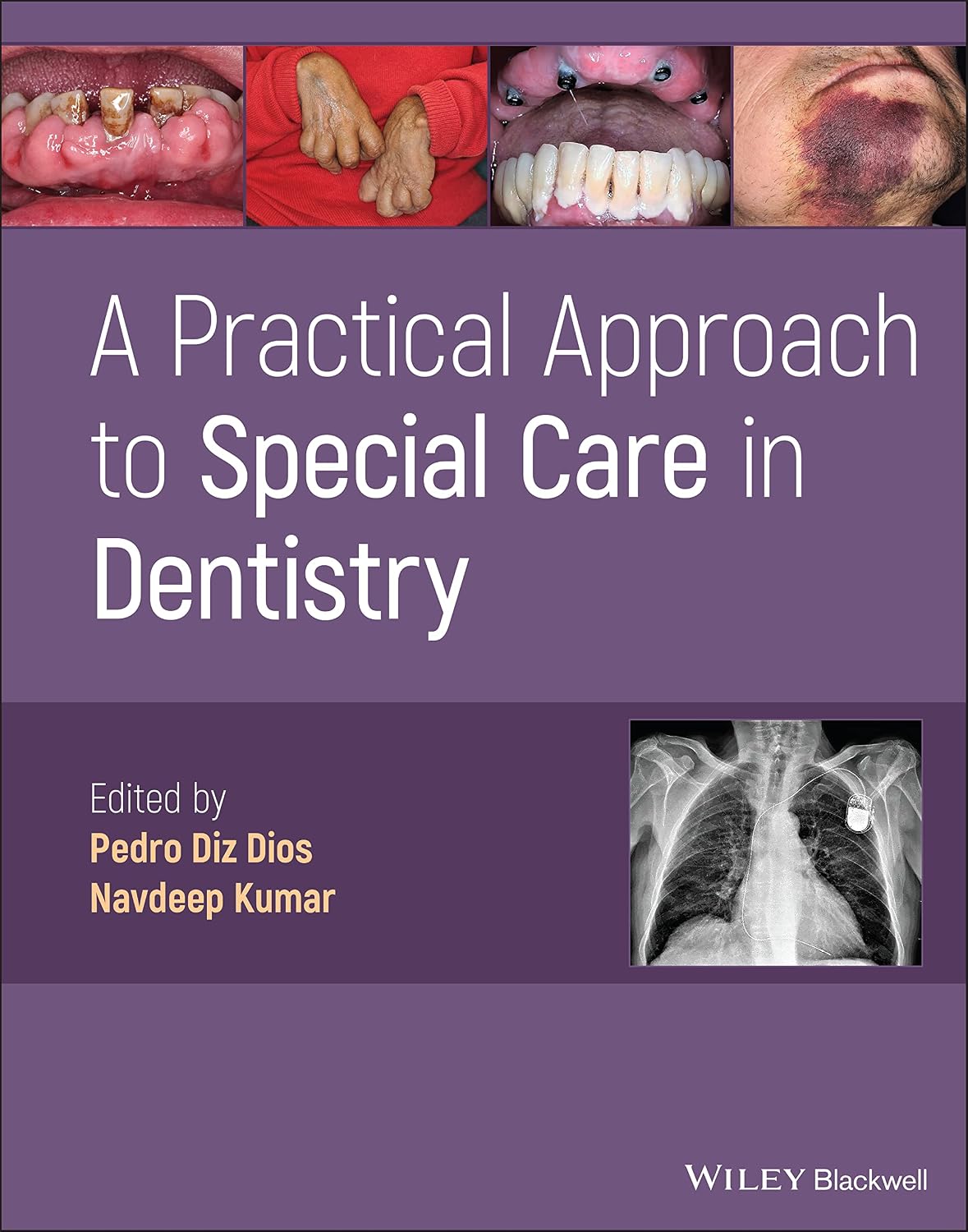
A Practical Approach to Special Care in Dentistry
Edited by Pedro Diz Dios and Navdeep Kumar. Over fifty real clinical cases, each one working from the presenting condition to the adaptations it forces. Wiley-Blackwell, 2022.
Why we recommend it: More of our own explanations cite this than any other special care source — it is the book the Conditions and Their Oral Impact topic is built on. It is also the most expensive title on this page, so try your course provider's library before you buy: it is a reference you dip into by condition, not a book you read end to end.
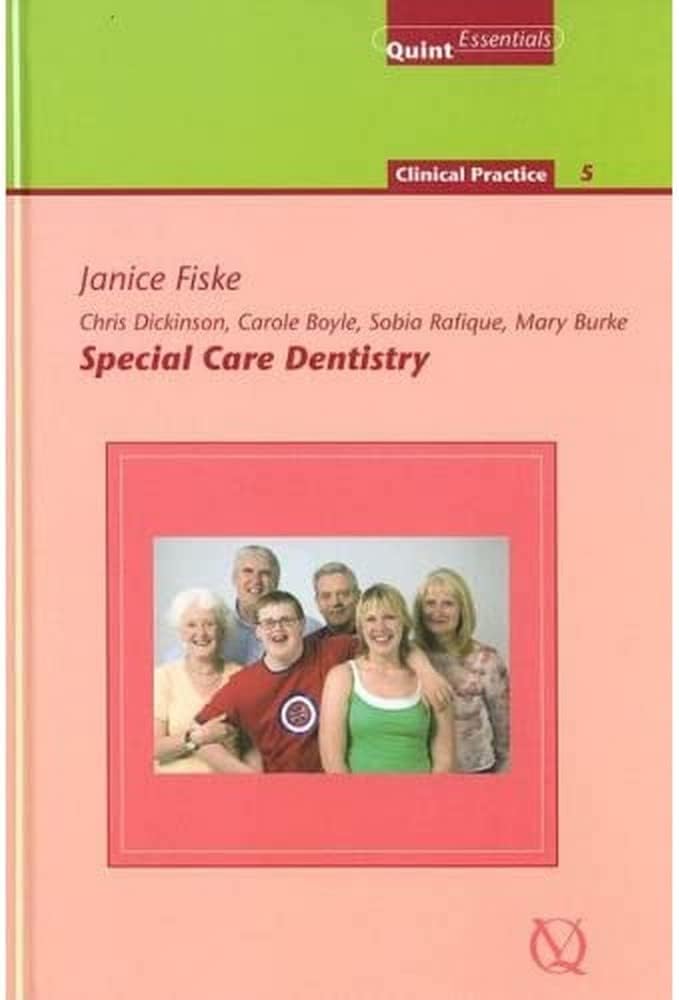
Special Care Dentistry (QuintEssentials of Dental Practice)
Janice Fiske and colleagues, in the short QuintEssentials format — physical, sensory and learning disability chapter by chapter. Quintessence.
Why we recommend it: The one to buy first if you are buying one. It is short, it is a fraction of the price of the others, and it covers the barriers-and-adjustments ground the Disability and Inclusive Practice topic tests. Older than the rest, so check anything legal in it against the current Mental Capacity Act Code and Care Act guidance rather than the book.
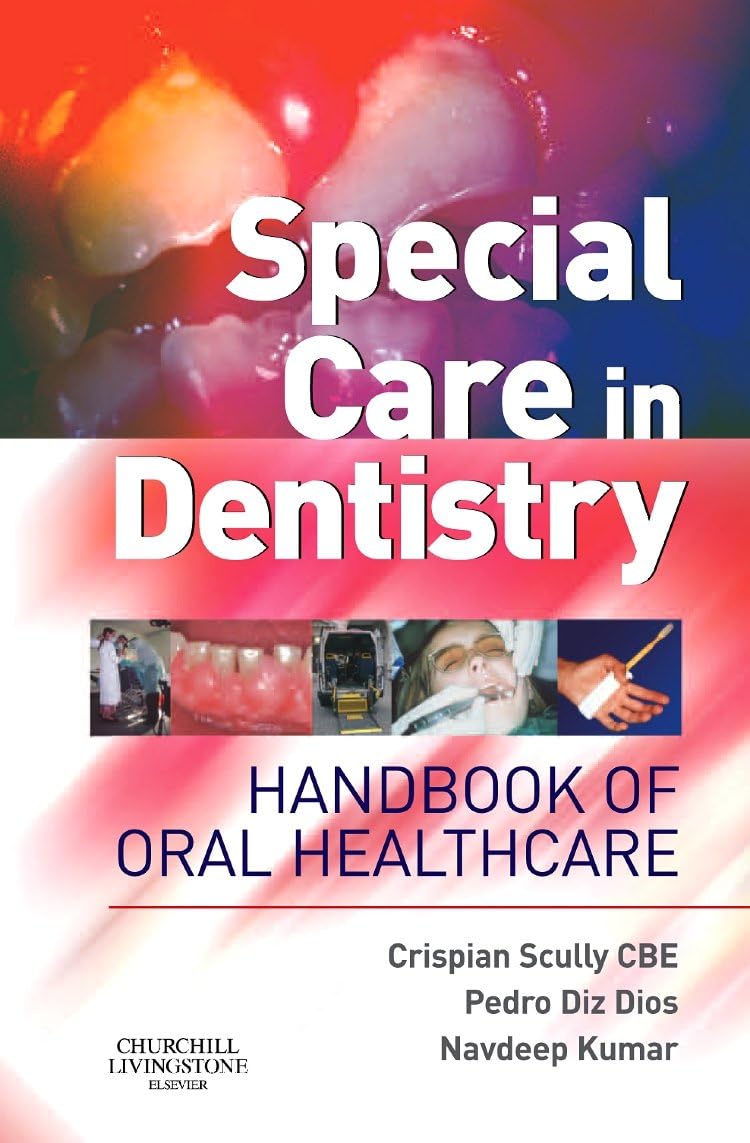
Special Care in Dentistry: Handbook of Oral Healthcare
Crispian Scully, Pedro Diz Dios and Navdeep Kumar. A reference organised by condition, with the oral and dental implications of each set out directly. Churchill Livingstone.
Why we recommend it: Buy this if the conditions themselves are what is catching you out. Two of the extended matching sets in that topic ask you to pair a condition with its characteristic oral finding, and a book arranged the same way is the fastest thing to revise them from.
Dental Implant Nursing
For the newest certificate, where the marks sit in components, peri-implant tissues and what the nurse actually does at the chairside.
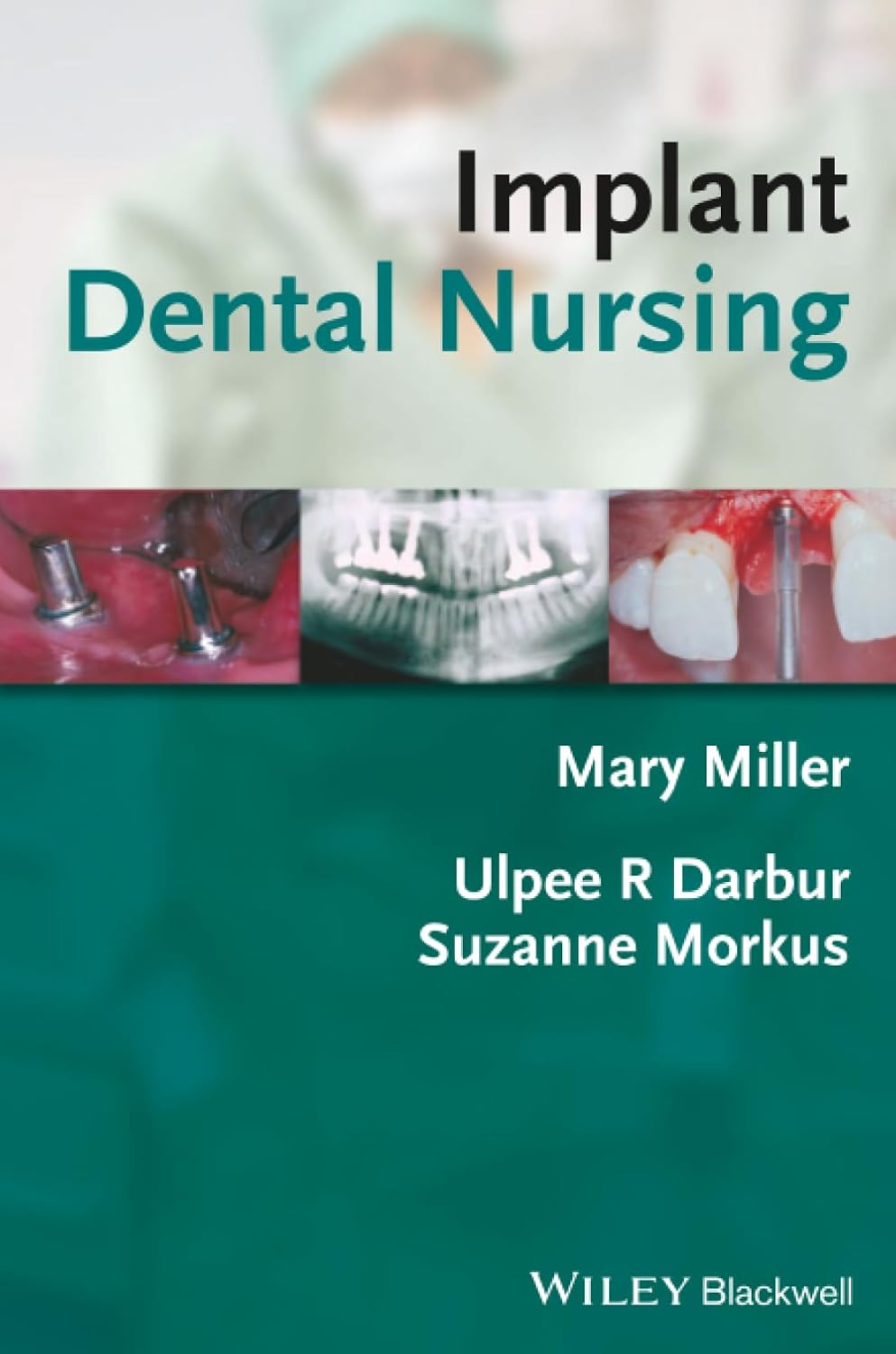
Implant Dental Nursing
Mary Miller, Ulpee Darbar and Suzanne Morkus — the only one of these written for the dental nurse rather than the clinician. Wiley-Blackwell.
Why we recommend it: It describes the job from your side of the chair: components, instruments, the surgical set-up and what you hand over when. It is the oldest book on this page, so take anything on decontamination or scope of practice from HTM 01-05 and the current GDC Scope of Practice instead — the clinical role it describes has lasted better than its governance chapters.
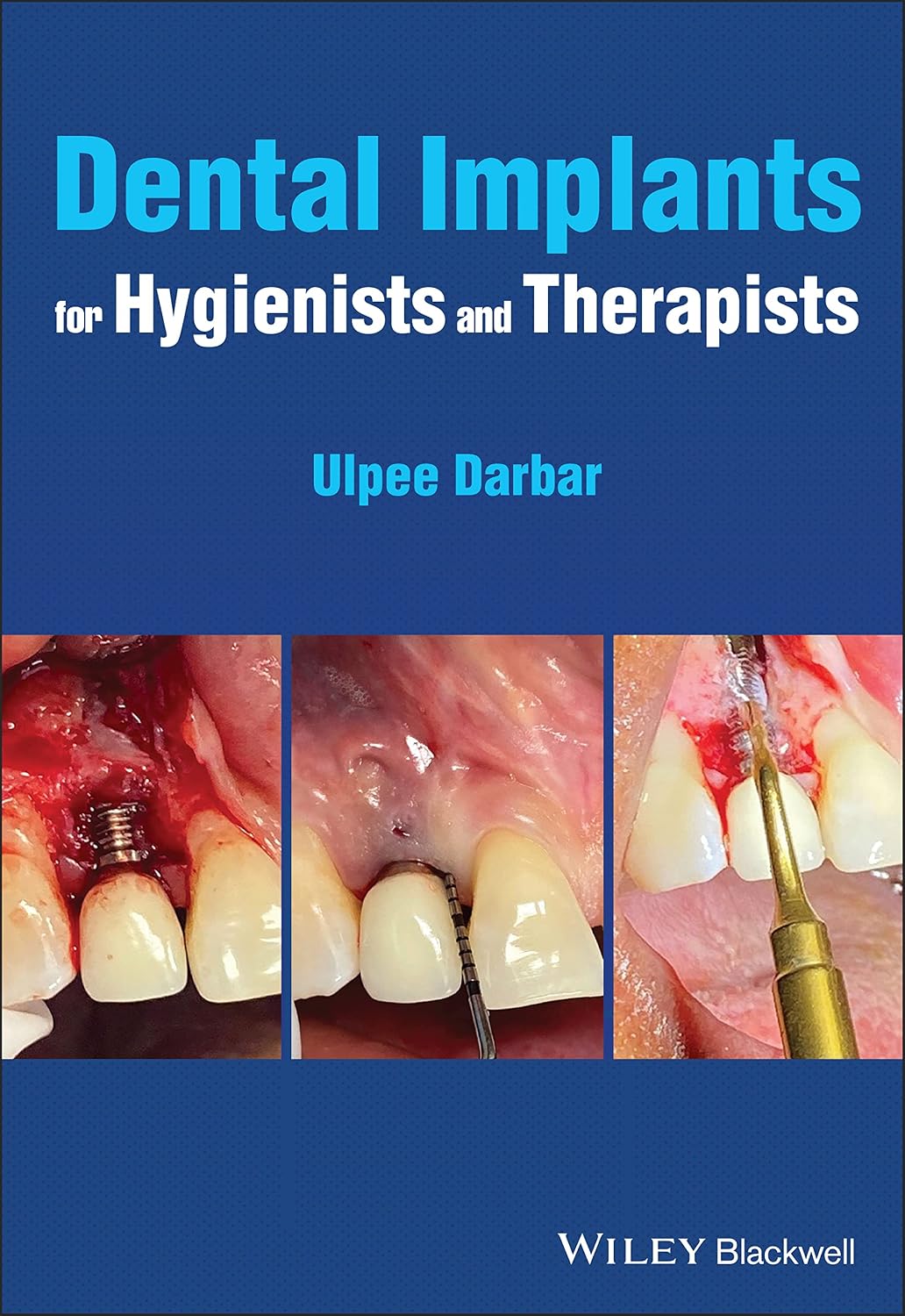
Dental Implants for Hygienists and Therapists
Ulpee Darbar, writing for dental care professionals rather than surgeons — anatomy, osseointegration, planning and maintenance. Wiley-Blackwell, 2022.
Why we recommend it: The modern half of this pair, and the source most of our own implant explanations cite. Read it for the biology: osseointegration in stages, and why peri-implant tissues behave differently from those around a tooth. That comparison quietly decides a lot of questions across the whole certificate.
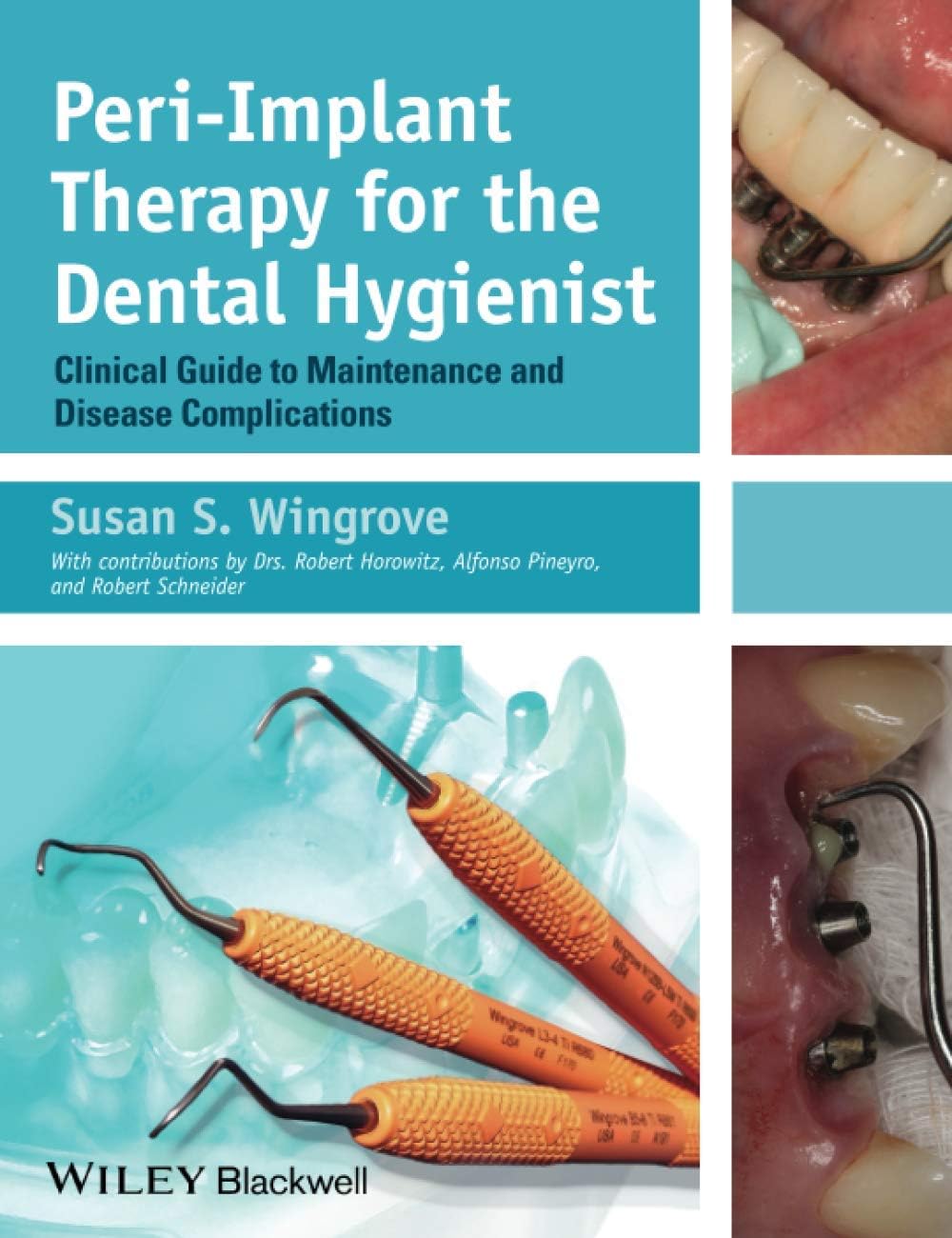
Peri-Implant Therapy for the Dental Hygienist
Susan Wingrove on maintaining implants and recognising the diseases around them, including instrument choice. Wiley-Blackwell.
Why we recommend it: Optional, and only if peri-implant mucositis and peri-implantitis are the part catching you out — maintenance is the piece of the topic a nurse genuinely owns. Written for hygienists and from a US perspective, so read it for the mechanism and the recognition, not for what a UK registrant may do.
Prehospital care
For FREC 3 & 4
Qualsafe Level 3 Award and Level 4 Certificate in First Response Emergency Care (RQF)
The books FREC’s explanations cite
Not a plausible reading list — these are the works tallied from the citation at the end of every one of the 585 explanations in the FREC bank, in the order they are cited most.
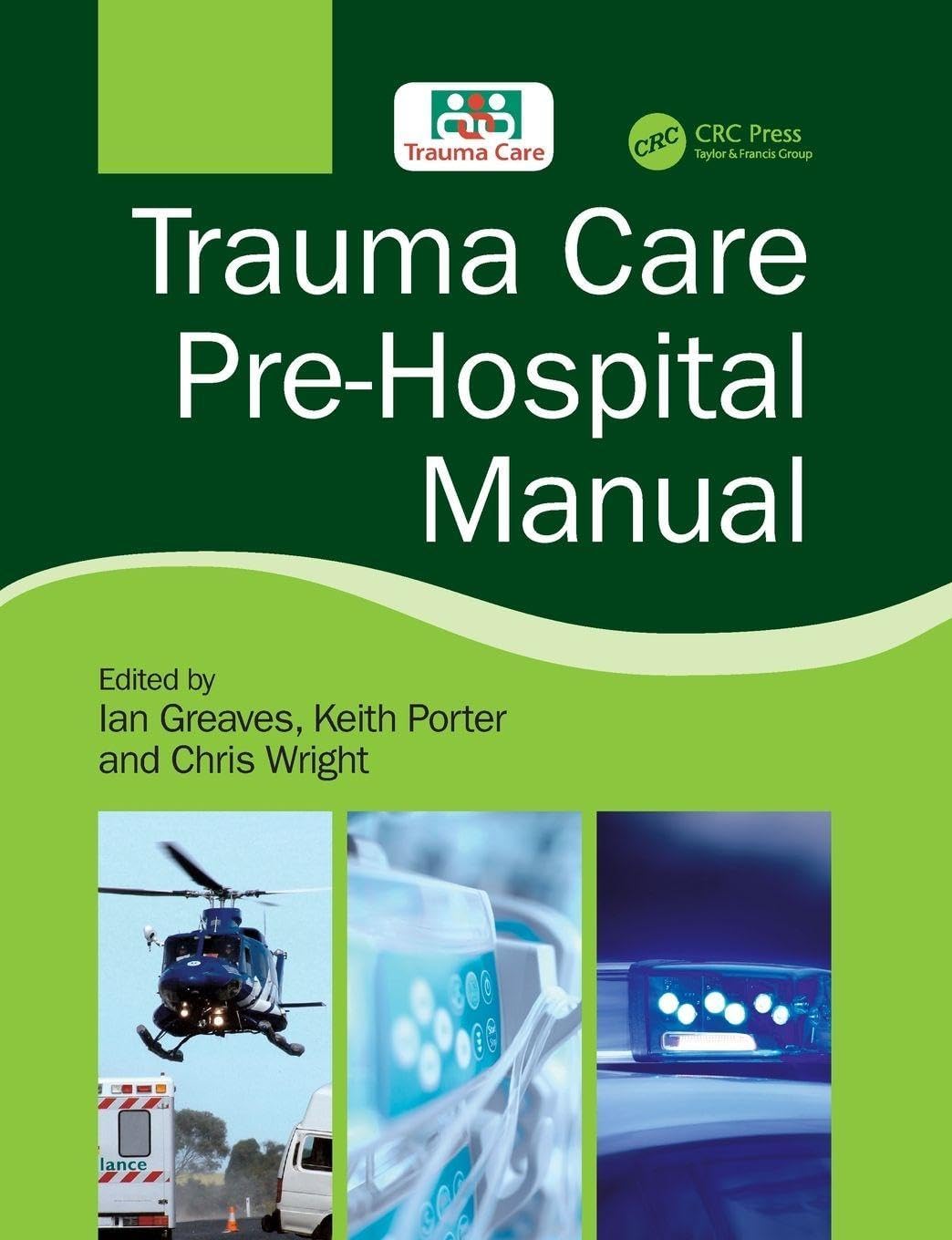
Trauma Care Pre-Hospital Manual
Greaves, Porter and Wright, CRC Press (2018). The trauma reference the whole FREC trauma syllabus sits on, from mechanism of injury through chest injuries, bleeding, shock and spinal care.
Why we recommend it: One hundred and sixty of the 585 explanations in this app end with a citation to this book — more than any other source by a wide margin. If you read one thing alongside our trauma study guides, for FREC 3 and for FREC 4, read this one.
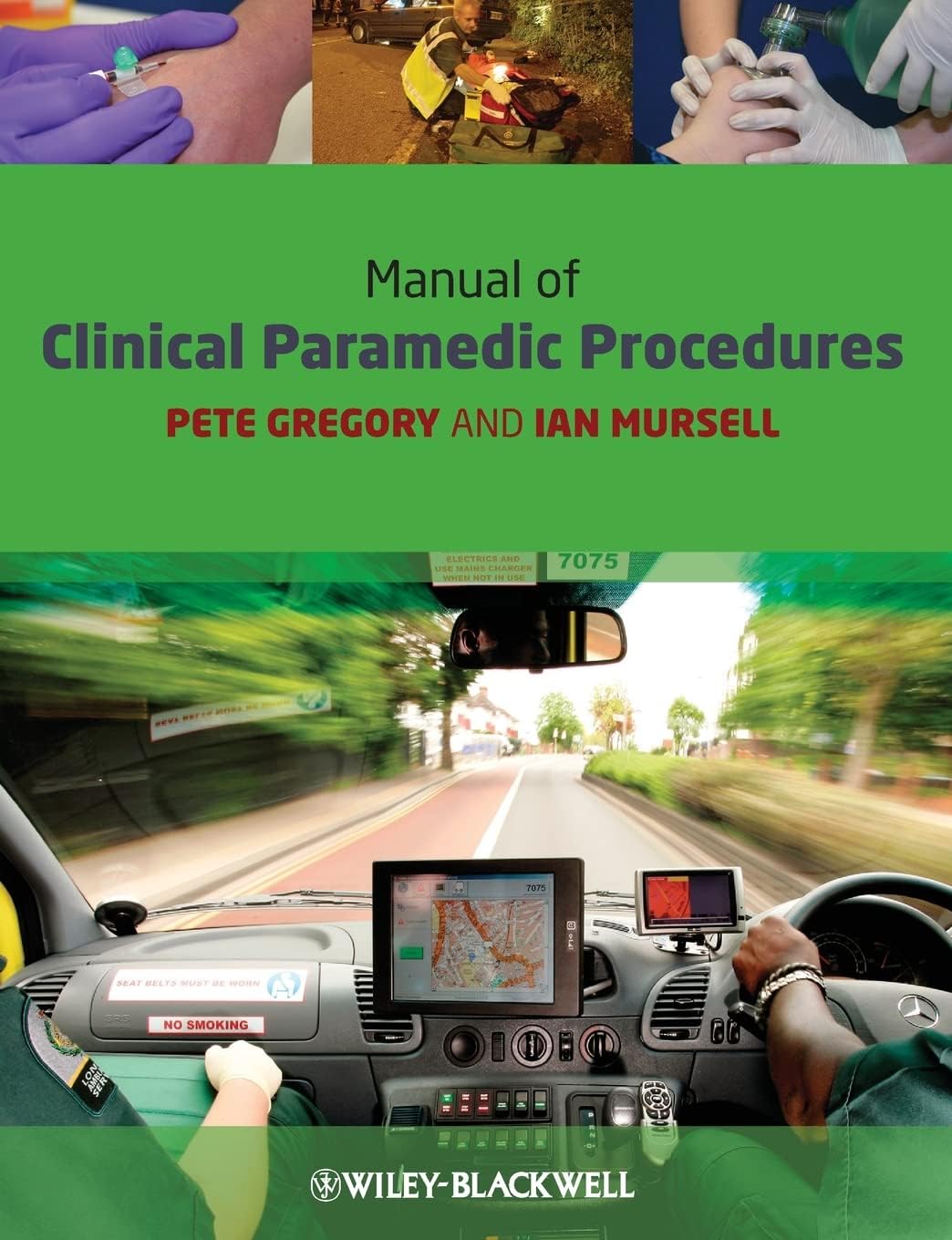
Manual of Clinical Paramedic Procedures
Gregory and Mursell, Wiley-Blackwell. A procedure-by-procedure manual — airway management, medical gases, oxygen delivery devices, and the equipment that goes with each.
Why we recommend it: Sixty-one explanations cite this one, and they cluster almost entirely in the airway and medical gas material that makes up the largest block of FREC 3’s first component. It is also where the FREC 4 extended skills — supraglottic airways, gas administration — are set out step by step.
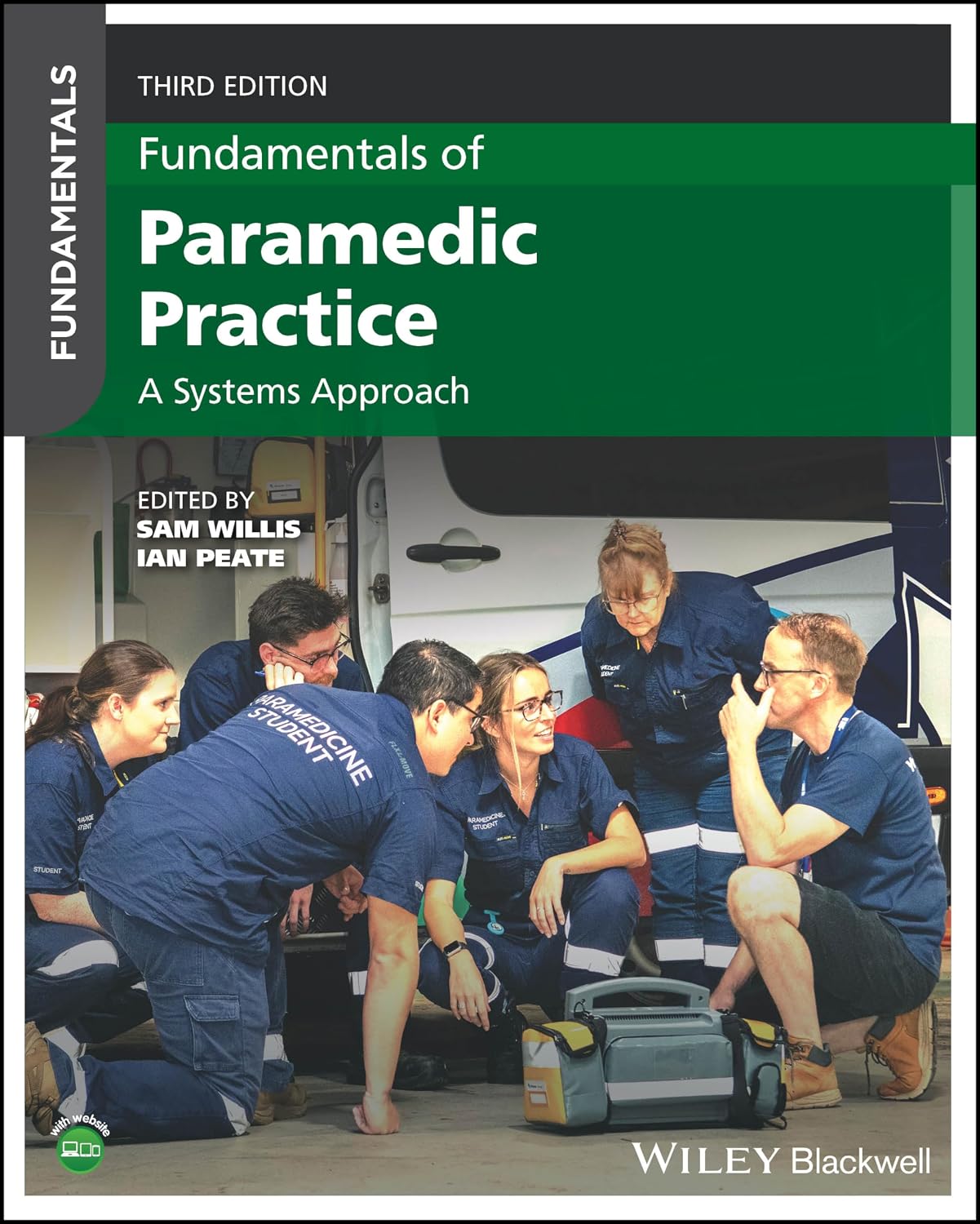
Fundamentals of Paramedic Practice: A Systems Approach, 3rd Edition
Willis and Peate, Wiley-Blackwell, 3rd edition (2024). The professional-practice half of prehospital care: scope of practice, competence, consent, communication and the legal framework around them.
Why we recommend it: The FREC 3 questions people lose marks on are rarely the clinical ones. They are the scope-of-practice ones, where two answers both describe correct actions and only one is yours to take. This is the book those explanations cite, and it pairs with the role and communication section of our foundations of emergency care guide.
ECG recognition
FREC 4 examines rhythm recognition in its own invigilated exam, and it is the one skill on this site that responds to sheer volume of practice rather than to reading.
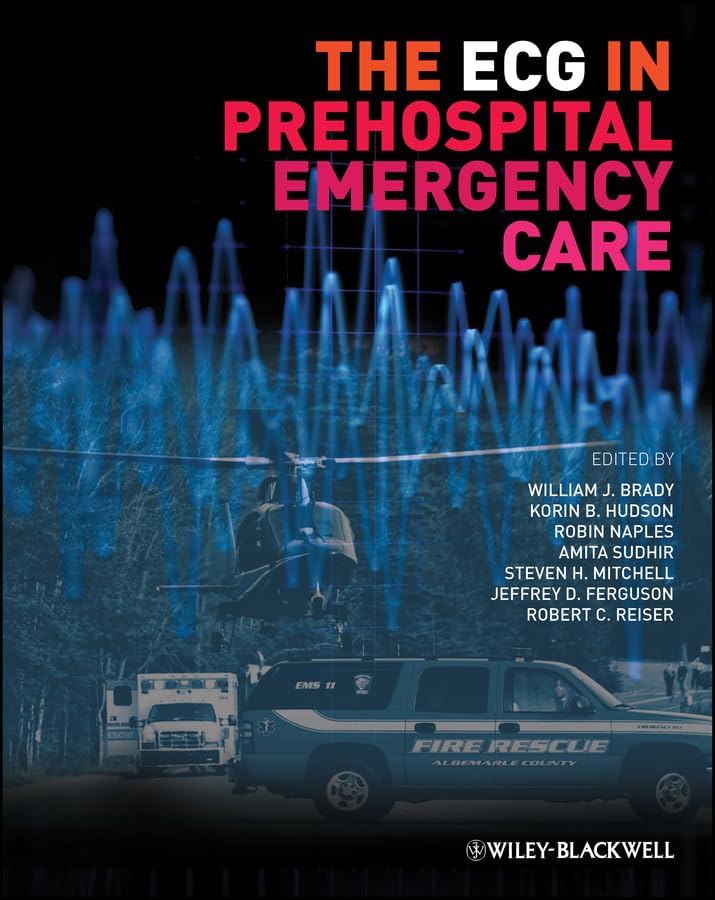
The ECG in Prehospital Emergency Care
Brady, Hudson, Mitchell and colleagues, Wiley-Blackwell (2013). Rhythm recognition written for prehospital practice rather than for a coronary care unit. This is the Kindle edition, which is what is reliably in stock in the UK — the paperback comes and goes.
Why we recommend it: Fifty-seven explanations cite this book, and every one of them sits in ECG Recognition. It is the source behind the five rhythm families our ECG guide is organised around — right down to why PEA is defined by the patient rather than by the trace.
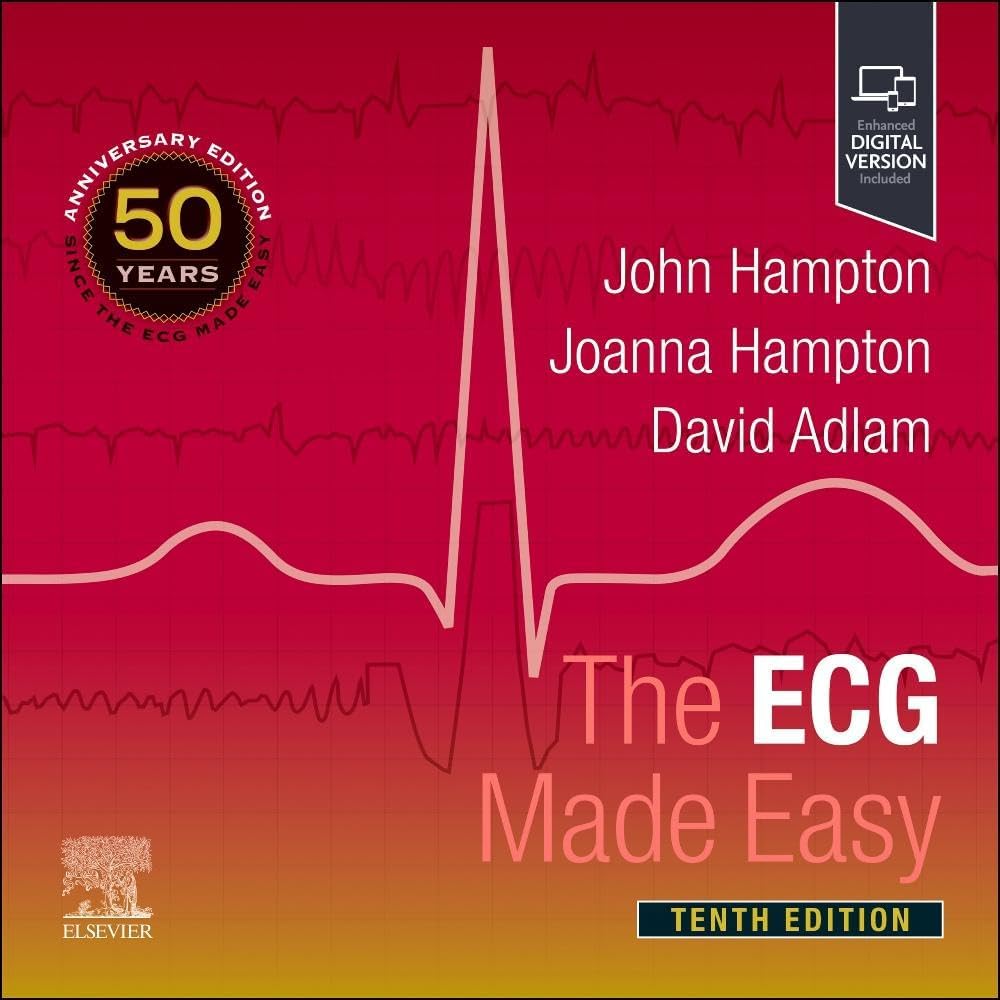
The ECG Made Easy, 10th Edition
Hampton, Hampton and Adlam, Elsevier. The short, standard introduction to reading an ECG — rate, rhythm, axis, intervals — in about 150 pages.
Why we recommend it: Our ECG guide tells you to build one method and apply it identically every time: rate, regularity, P waves, PR interval, QRS width. This is the book that teaches that method properly. Read it first, then work the strips.
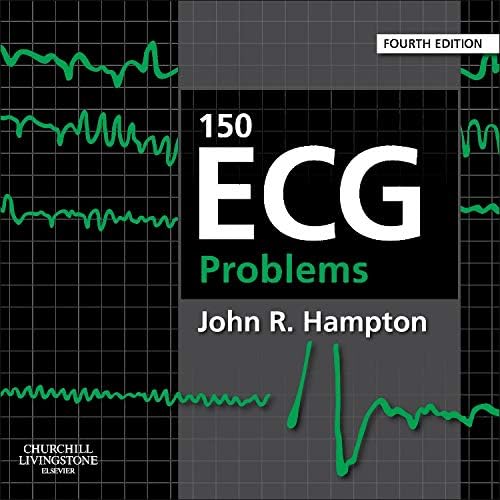
150 ECG Problems, 4th Edition
Hampton, Elsevier. A hundred and fifty traces with a clinical scenario, a question and a worked answer for each. The companion volume to The ECG Made Easy.
Why we recommend it: Rhythm recognition is pattern matching, and pattern matching responds to repetition more than to reading. The app carries 45 strips; this is where you go when you want a hundred and fifty more, each with a worked answer and a clinical scenario.
Anatomy, and the kit you are assessed with
The largest topic in the app is anatomy and physiology, and FREC 4 sits a separate exam on it. The rest here is what the practical assessments and skills tests put in your hands.
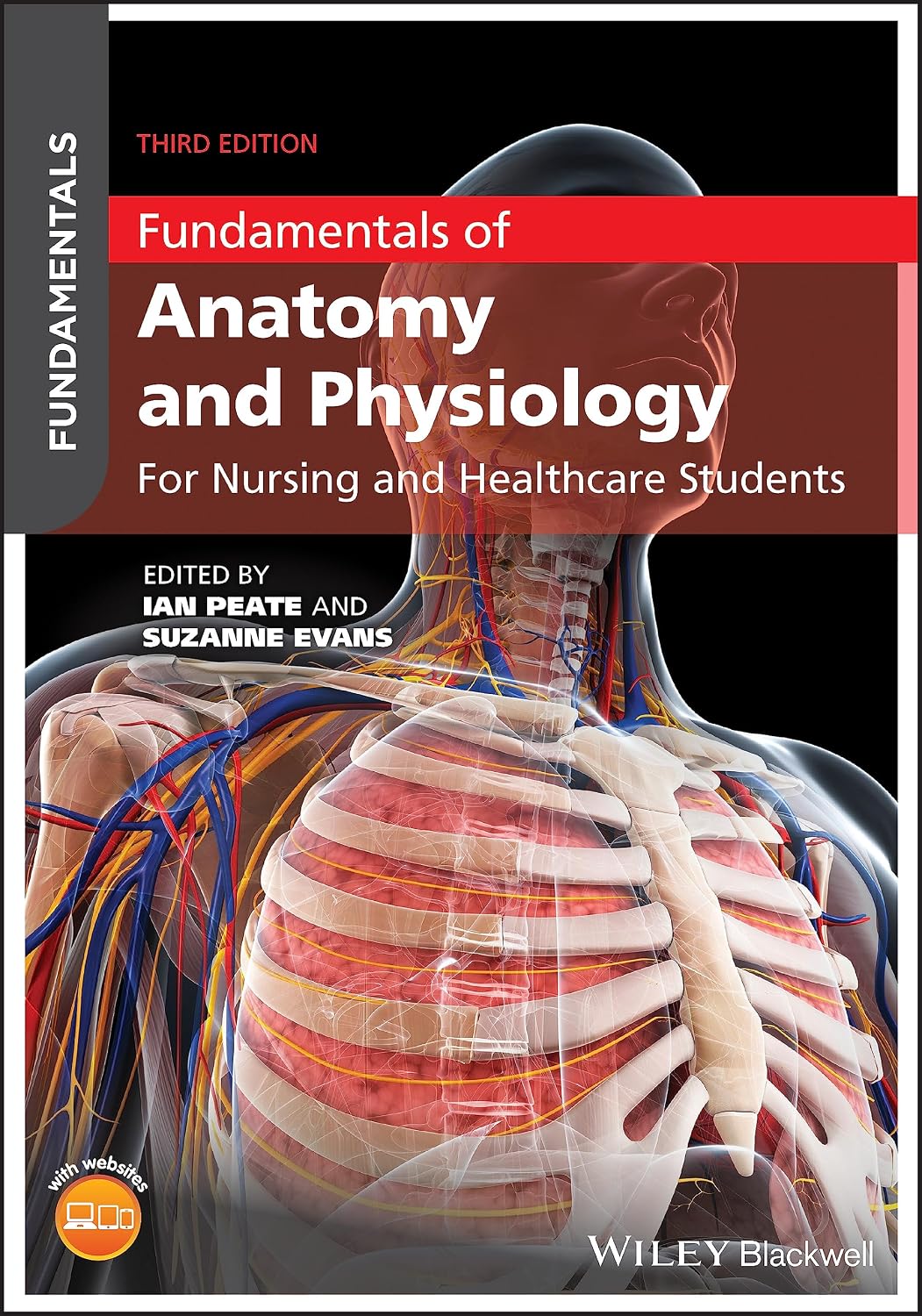
Fundamentals of Anatomy and Physiology, 3rd Edition
Peate and Evans, Wiley-Blackwell. A UK anatomy and physiology text written for nursing and healthcare students, system by system.
Why we recommend it: Anatomy is the single largest topic in the FREC app, and FREC 4 sits its own invigilated exam on it. Worth knowing before you buy: the app’s anatomy content comes from OpenStax, which is free to download in full — so buy this because you want a UK-oriented printed book to work from, not because you need it to follow our anatomy and physiology guide.
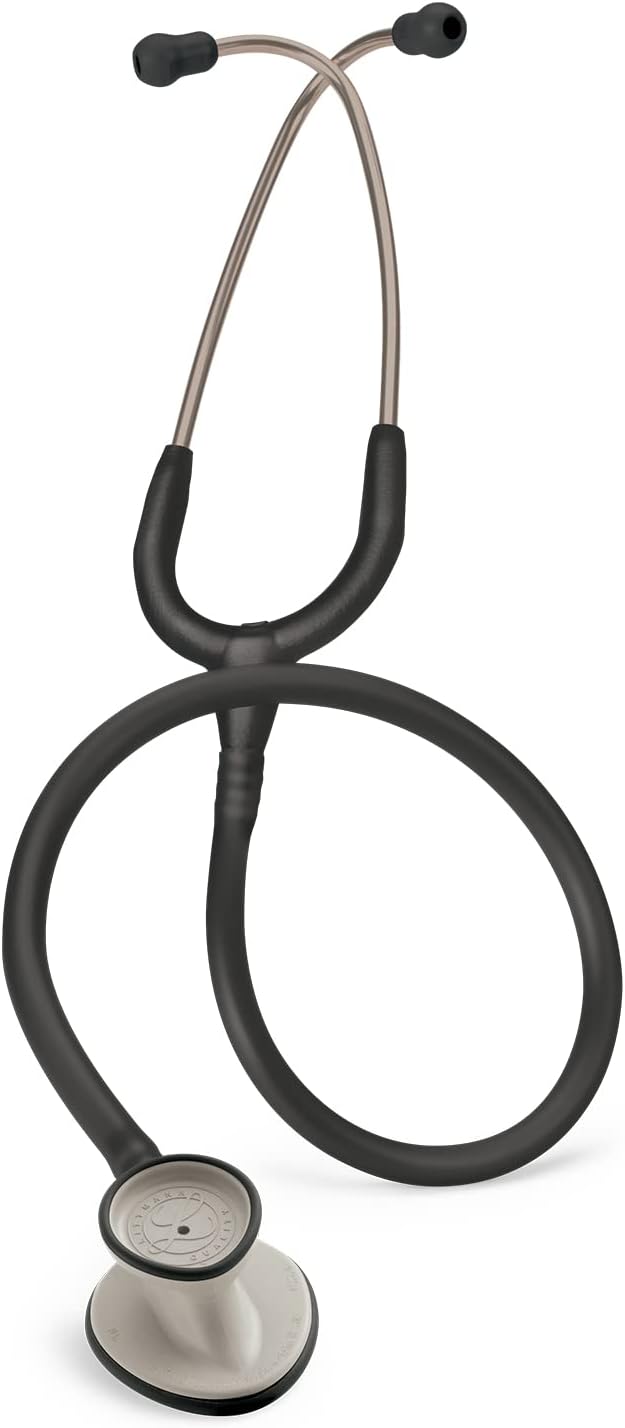
3M Littmann Lightweight II S.E. Stethoscope
The entry-level Littmann, designed around blood pressure and basic auscultation rather than cardiology work. Single-sided chestpiece, tunable diaphragm.
Why we recommend it: FREC 4 assesses physiological observations as a skills test, and observations are the one thing here you cannot revise from a book. Our patient assessment guide makes the point that level 4 expects you to measure and interpret rather than notice — this is the cheapest Littmann that will do that honestly.
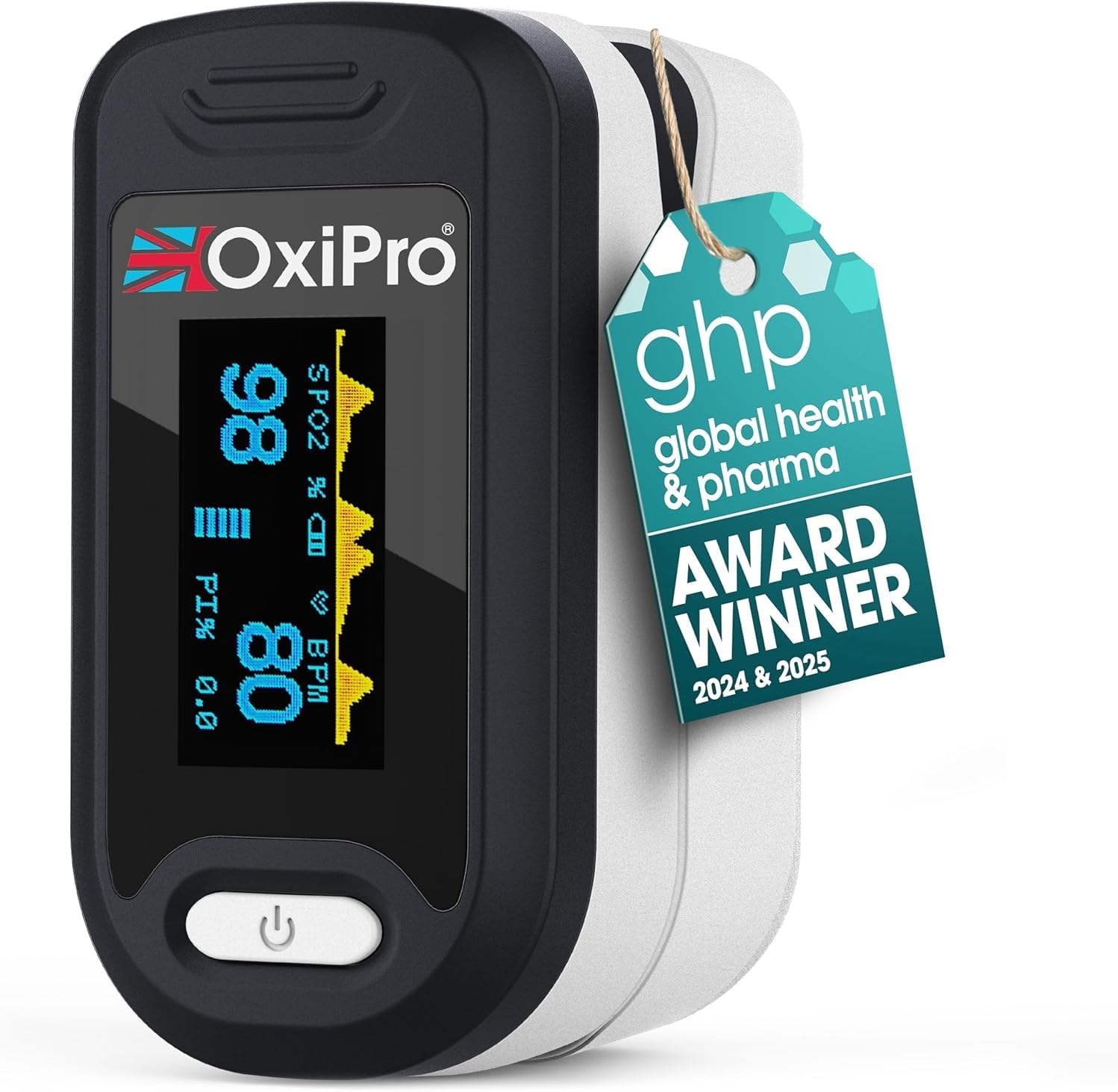
OxiPro OX2 Fingertip Pulse Oximeter
A UK-sold fingertip oximeter with a colour display, reading oxygen saturation and pulse rate. For practising the measurement, not for clinical decision-making.
Why we recommend it: Useful for getting fluent at taking and recording an observation before a skills test. One thing to be clear about: neither the app nor this site states a target saturation — no adult figure and no COPD range — because neither could be sourced across the corpus the question bank is written from. Take any target from your own current guidance, never from a device and never from us.

Spire Trauma Shears
Standard tuff-cut shears with a blunt lower tip, for cutting clothing away without cutting the patient. The one piece of kit every FREC practical assessment assumes you have.
Why we recommend it: The FREC 3 trauma component is assessed practically as well as on paper, and exposure comes before you can assess a chest injury or control bleeding — the first two blocks of our foundations of trauma care guide. Cheap enough to own a pair before the course rather than borrowing one on the day.
How this list was put together
Every item was checked as in stock on Amazon UK with a live price at the time of writing, and each one is tied to a specific topic, unit or certificate rather than added to pad the page out. Where a title genuinely serves two qualifications it is listed under both. The FREC books in particular are not a taste list: the first three are the works cited most often across that app's own 585 explanations. Prices and availability change — Amazon shows the current ones.
Buying through these links supports the site at no extra cost to you. It does not change what we recommend, and you are under no obligation whatsoever — every study guide here is free to read, and the practice questions are free to answer.
Or start with the free questions
This site publishes each app's free sample — 217 of 2365 questions. The apps carry the rest offline, with a timed mock test in the shape of the real assessment.
The qualification most UK dental nurses take on the way to GDC registration, unit by unit.


Dental Radiography, Oral Health Education, Sedation, Orthodontic, Special Care and Implant Nursing, in one app.
FREC 3 and FREC 4 in one app — prehospital emergency care, trauma, anatomy and physiology, and ECG recognition.